
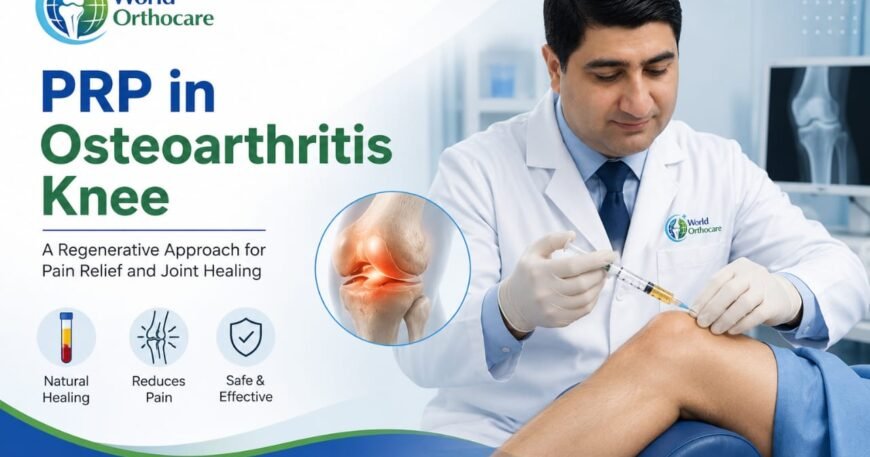
PRP Injections – Do They Really Work?

**By Dr. Rasheed Ahmed Bhatti**
Consultant Orthopedic Surgeon | World OrthoCare
Introduction
Platelet-Rich Plasma (PRP) therapy has gained significant popularity in orthopedic practice over the past decade. From athletes to elderly patients with joint pain, many people are turning to PRP injections as a non-surgical treatment option. But the key question remains: **Do PRP injections really work?**
This article explores the science, effectiveness, indications, and limitations of PRP therapy in orthopedic conditions.
—
What is PRP Therapy?
PRP stands for **Platelet-Rich Plasma**, a concentration of platelets derived from the patient’s own blood. Platelets are rich in growth factors that play a crucial role in healing and tissue repair.
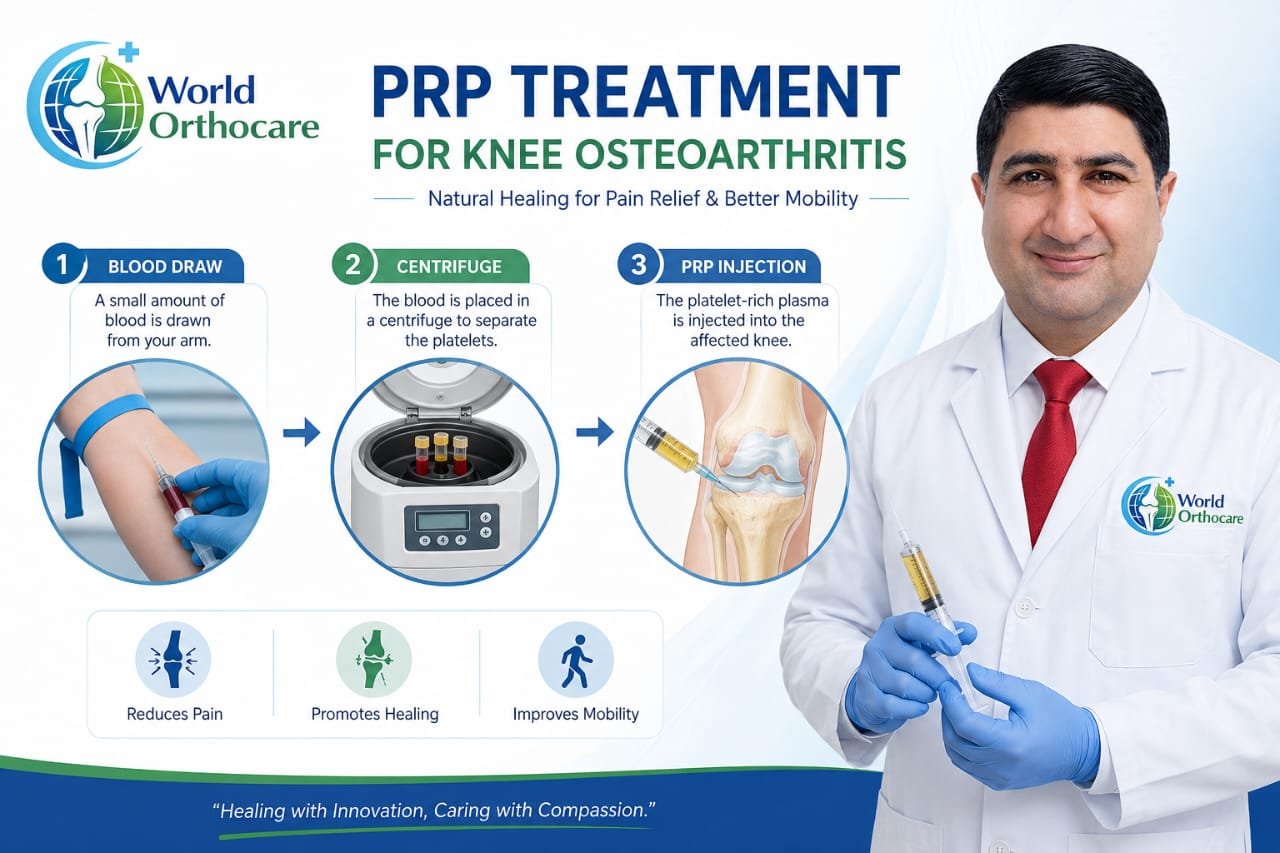
How it Works:
1. A small amount of blood is drawn from the patient
2. It is processed in a centrifuge to separate platelet-rich plasma
3. The PRP is injected into the affected area under sterile conditions
— 
Conditions Commonly Treated with PRP
PRP injections are used for a variety of musculoskeletal conditions, including:
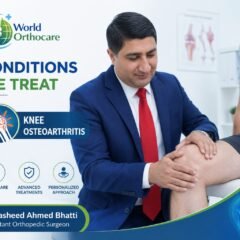
* Knee osteoarthritis
* Tennis elbow (lateral epicondylitis)
* Plantar fasciitis
* Rotator cuff injuries
* Ligament injuries
*Conditions Commonly Treated with PRP
PRP injections are used for a variety of musculoskeletal conditions, including:
* Knee osteoarthritis
* Tennis elbow (lateral epicondylitis)
* Plantar fasciitis
* Rotator cuff injuries
* Ligament injuries
* Early cartilage degeneration
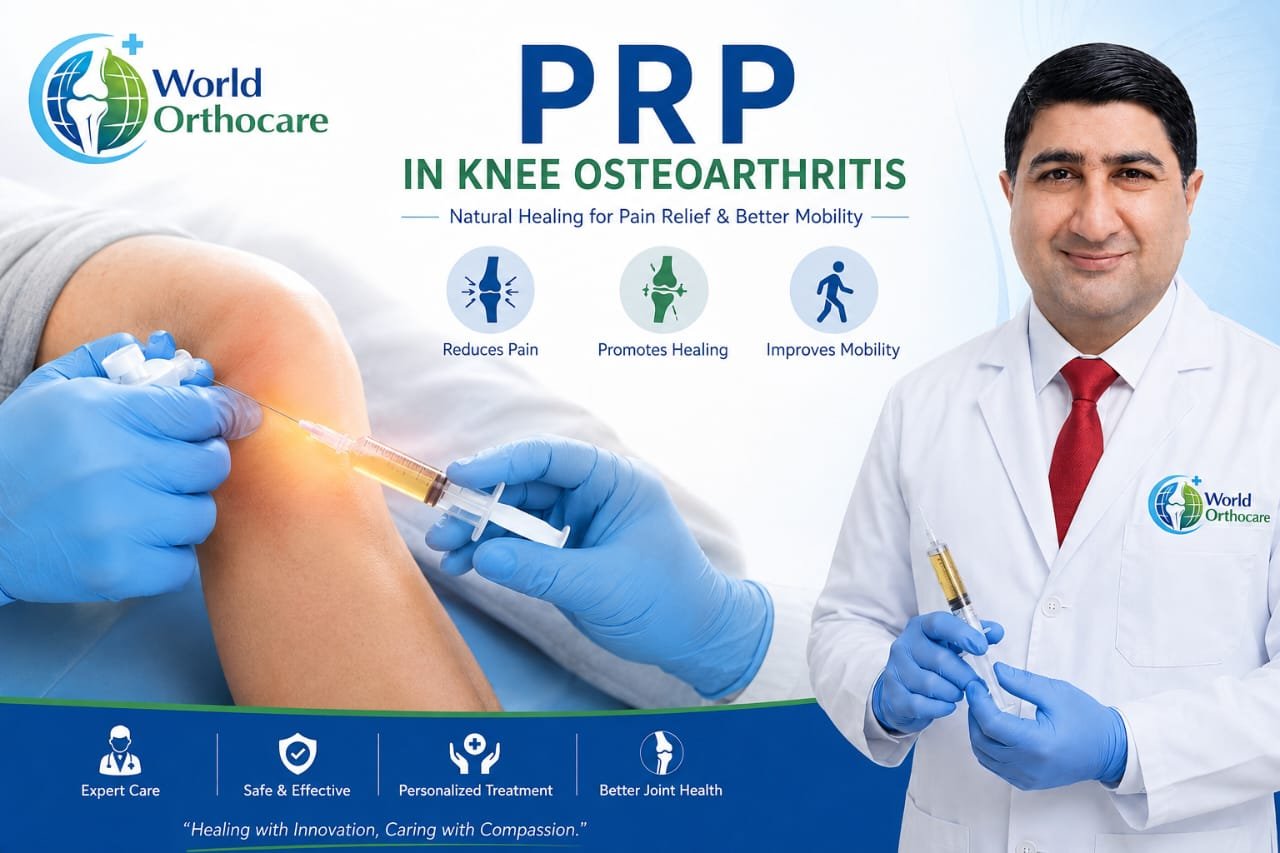
Do PRP Injections Really Work?
Scientific Evidence
Research shows **mixed but promising results**:
* **Knee Osteoarthritis:**
PRP has shown better pain relief and functional improvement compared to hyaluronic acid in early to moderate cases
* **Tendon Injuries:**
Good results in chronic conditions like tennis elbow
* **Ligament Healing:**
May enhance healing, especially in partial injuries
However, results can vary depending on:
* Severity of the condition
* Patient age and activity level
* Technique and preparation of PRP
Advantages of PRP Therapy
* Uses patient’s own blood (low risk of allergy)
* Minimally invasive procedure
* Can delay or avoid surgery in selected cases
* Short recovery time
Limitations and Considerations
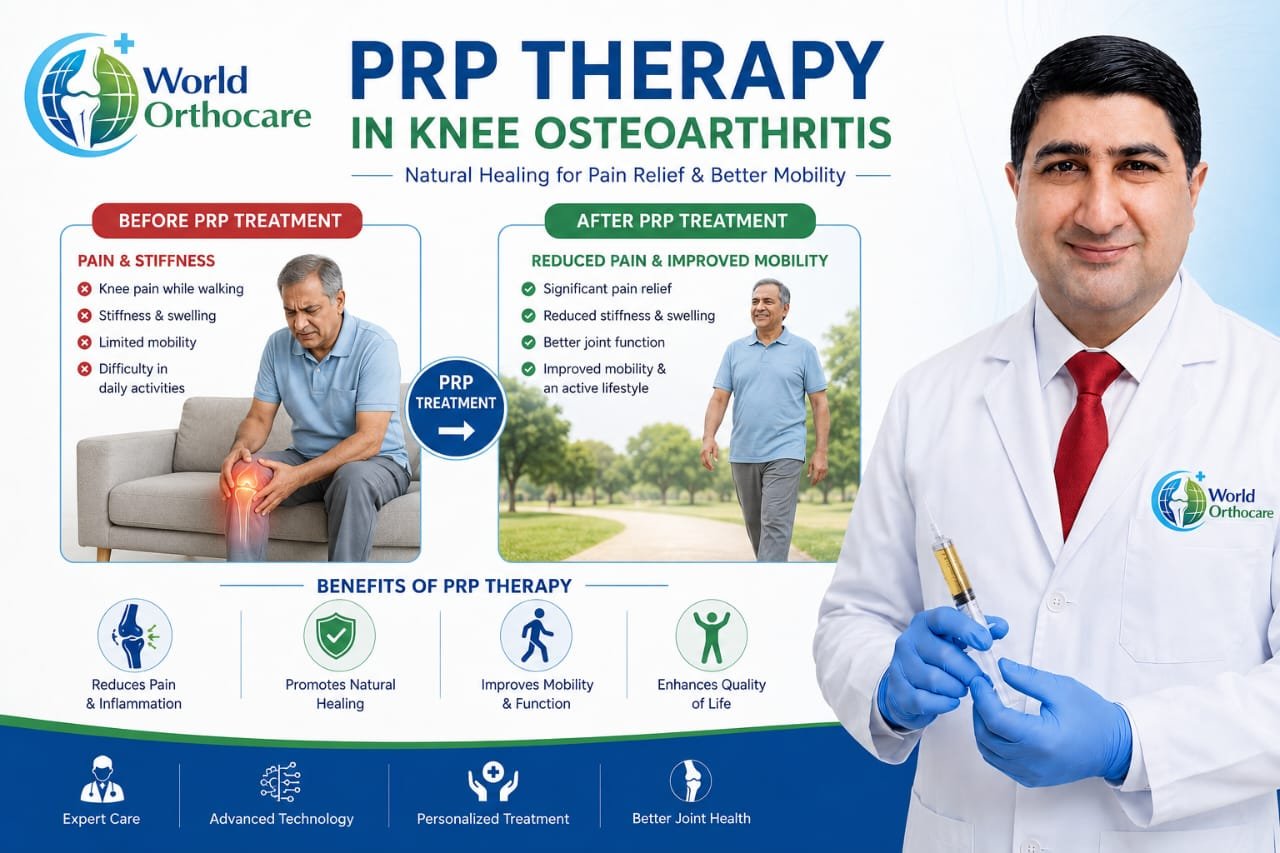
* Not effective in advanced arthritis
* Results are not immediate (may take weeks)
* Multiple sessions may be required
* Cost can be a concern for some patients
* Outcomes vary between individuals
.
Who is the Ideal Candidate?
PRP therapy works best for:
* Patients with early-stage joint degeneration
* Chronic tendon injuries not responding to medication
* Active individuals looking to avoid surgery
It is **less effective** in:
* Severe joint deformity
* Advanced osteoarthritis
* Complete ligament tears
—
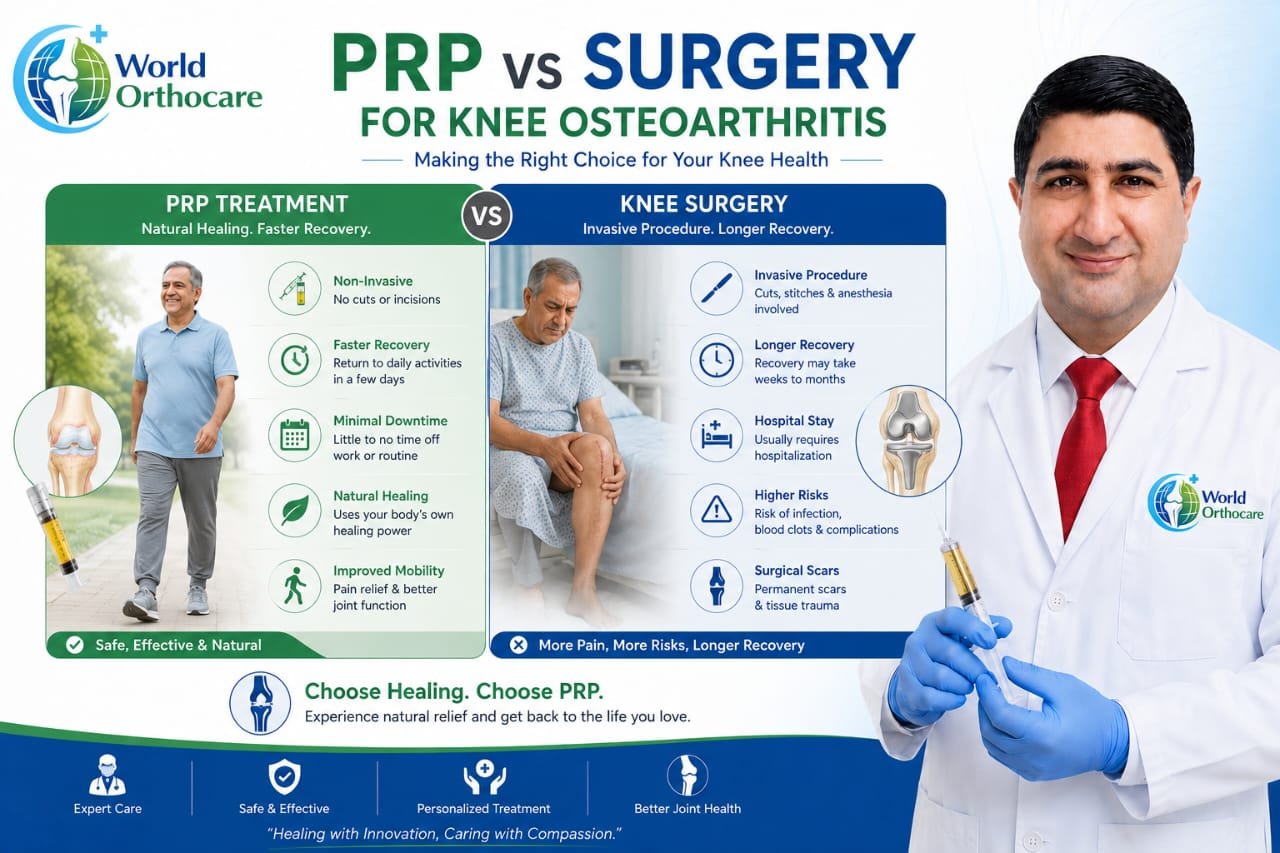
## Is PRP Better Than Surgery?
PRP is **not a replacement for surgery**, but rather a **bridge or alternative** in selected cases.
It is especially useful when:
* Surgery is not immediately required
* Patient wants conservative management
* Rehabilitation support is needed
.
PRP injections **do work—but not for everyone**.
They are most effective when used in the **right patient, at the right stage of disease, and with proper technique**.
For many orthopedic conditions, PRP offers a **safe and promising non-surgical option**, but it should always be considered as part of a comprehensive treatment plan rather than a standalone cure.
—
## Expert Advice
If you are considering PRP therapy, consult a qualified orthopedic specialist to determine whether it is suitable for your condition. Proper diagnosis and patient selection are key to achieving the best outcomes.
For consultation and PRP treatment options, visit: