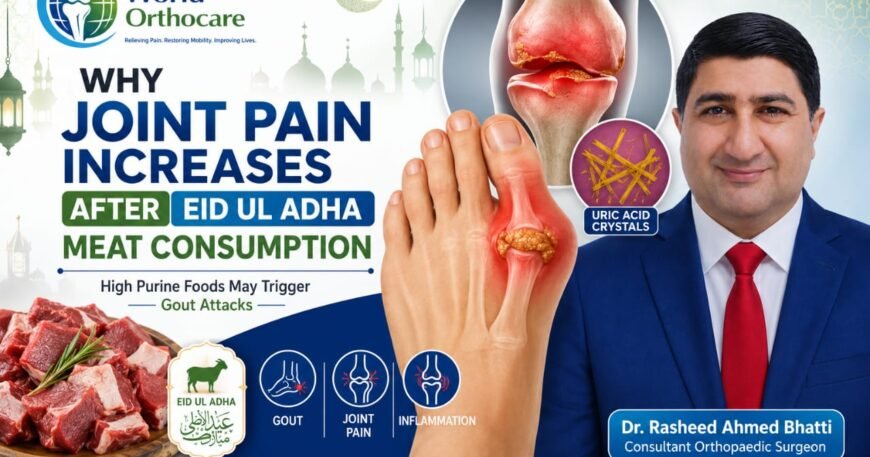
Why Joint Pain Increases After Eid ul Adha Meat Consumption

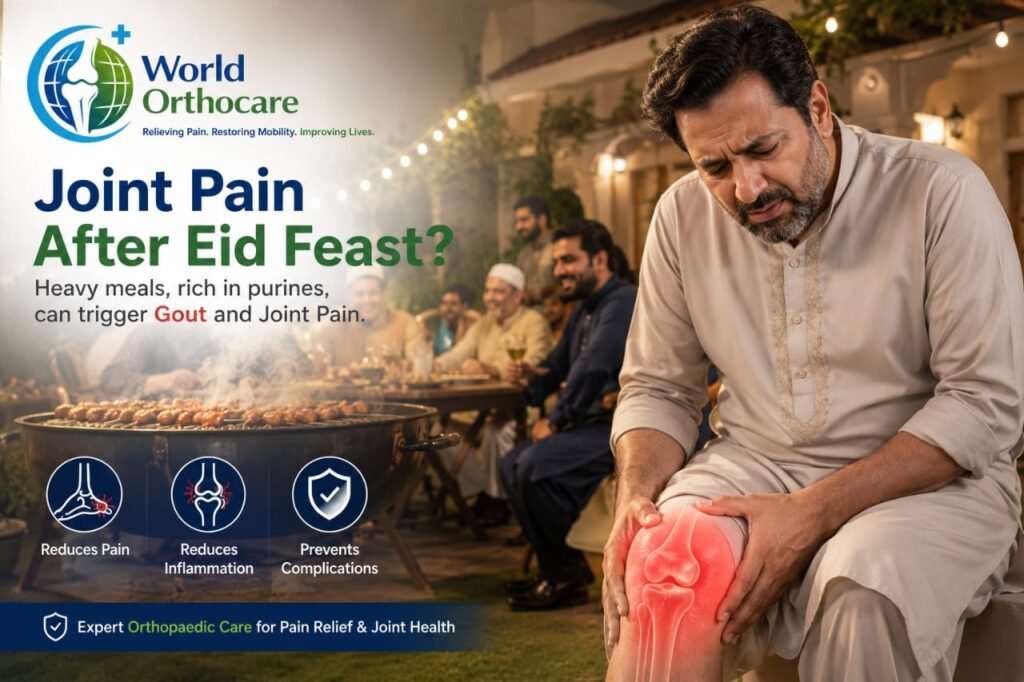
Eid ul Adha is a time of celebration, family gatherings, and delicious meals. However, many people notice that their joint pain, knee pain, back pain, or swelling worsens after consuming large amounts of meat during the Eid holidays. This is especially common in people already suffering from arthritis, gout, obesity, or previous orthopedic problems.
At World OrthoCare, patients frequently ask why this happens and how they can prevent it. Understanding the connection between diet and joint health can help you enjoy Eid while protecting your bones and joints.
Increased Uric Acid Levels Can Trigger Joint Pain
Red meat, organ meat (liver, kidney), and some traditional Eid dishes are rich in substances called purines. When the body breaks down purines, uric acid is produced.
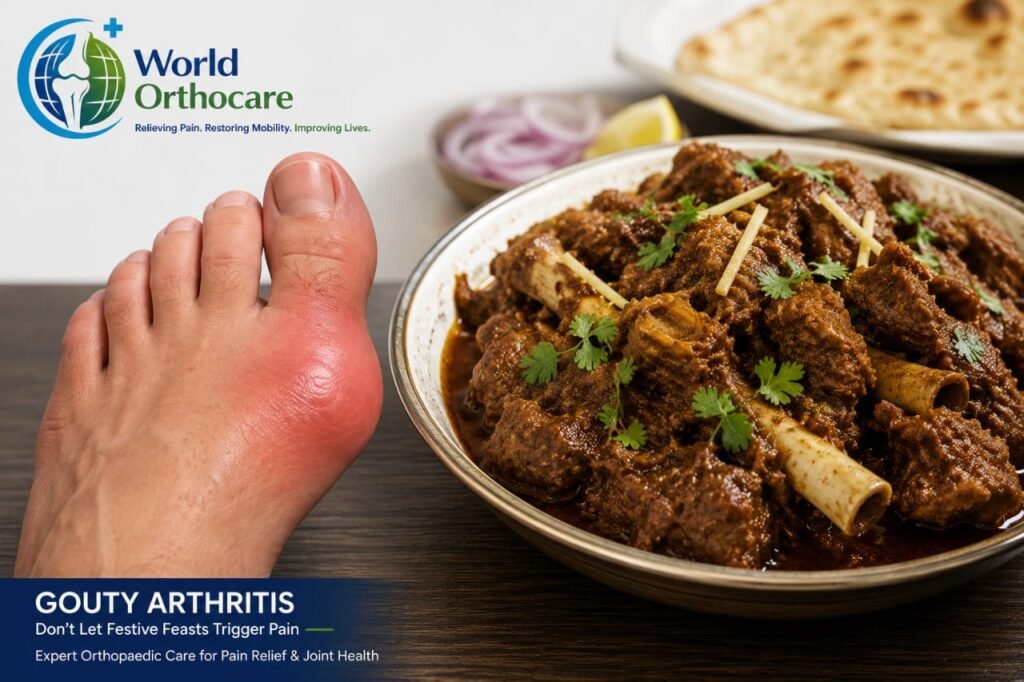
Excess uric acid may accumulate in joints and form crystals, causing severe inflammation and pain known as gout.
Common symptoms include:
- Sudden severe pain in the big toe, ankle, or knee
- Swelling and redness
- Warmth around the joint
- Difficulty walking
People who already have arthritis or high uric acid levels are at greater risk during Eid ul Adha due to heavy meat intake.
Excessive Meat Consumption Increases Body Inflammation
Large quantities of fatty meat and processed barbecue foods can increase inflammatory chemicals in the body. This inflammation may worsen:
- Osteoarthritis
- Rheumatoid arthritis
- Back pain
- Neck pain
- Muscle stiffness
Inflammation makes joints feel more painful and stiff, especially in elderly individuals.
Weight Gain Places Extra Stress on Knees and Spine
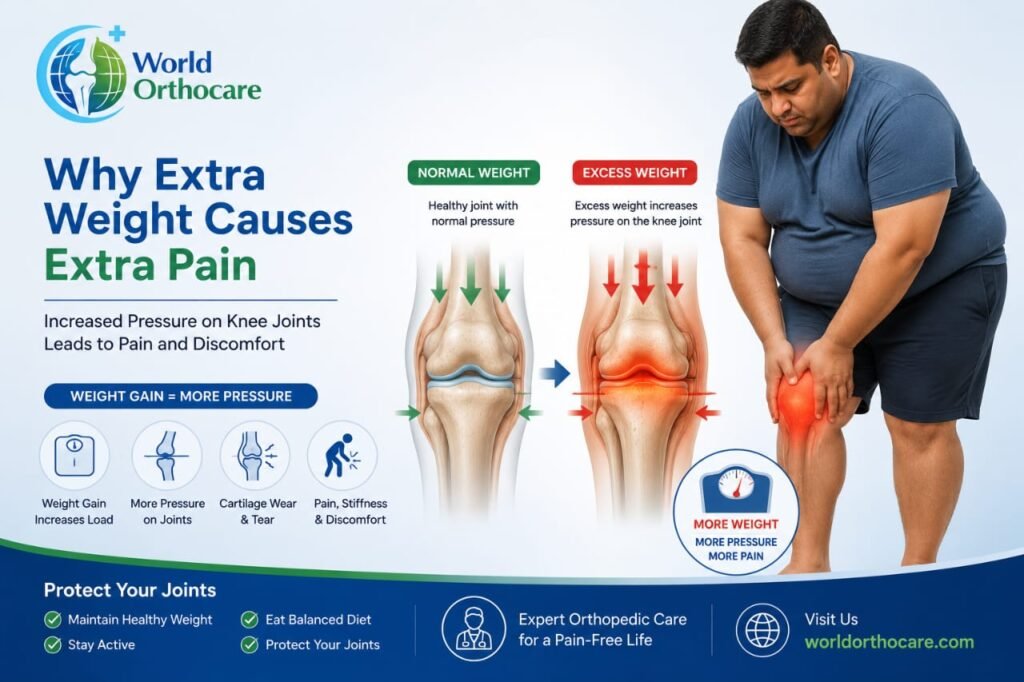
During Eid holidays, physical activity often decreases while calorie intake increases significantly.
Even a small increase in body weight can place extra pressure on:
- Knee joints
- Hip joints
- Lower back
- Ankles
This may worsen pain in patients already suffering from osteoarthritis or spinal problems.
Dehydration Can Worsen Joint Symptoms
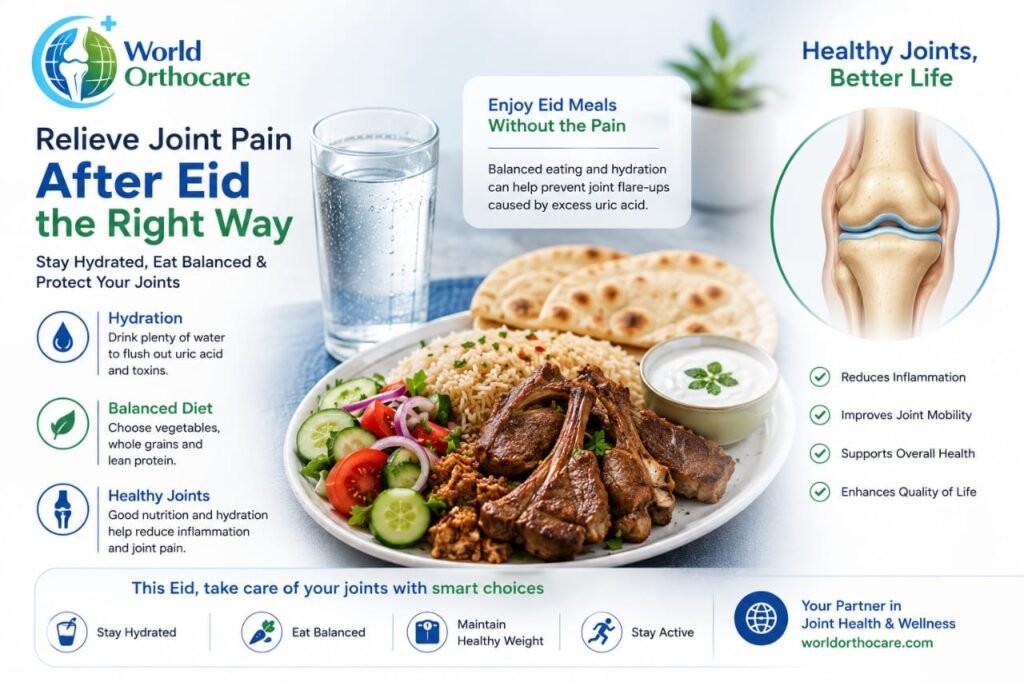
Many people consume more meat but drink less water during Eid gatherings. Dehydration may:
- Increase uric acid concentration
- Cause muscle cramps
- Increase joint stiffness
Proper hydration helps the body remove excess uric acid and maintain healthy cartilage function.
Late-Night Eating and Poor Sleep Increase Pain Sensitivity
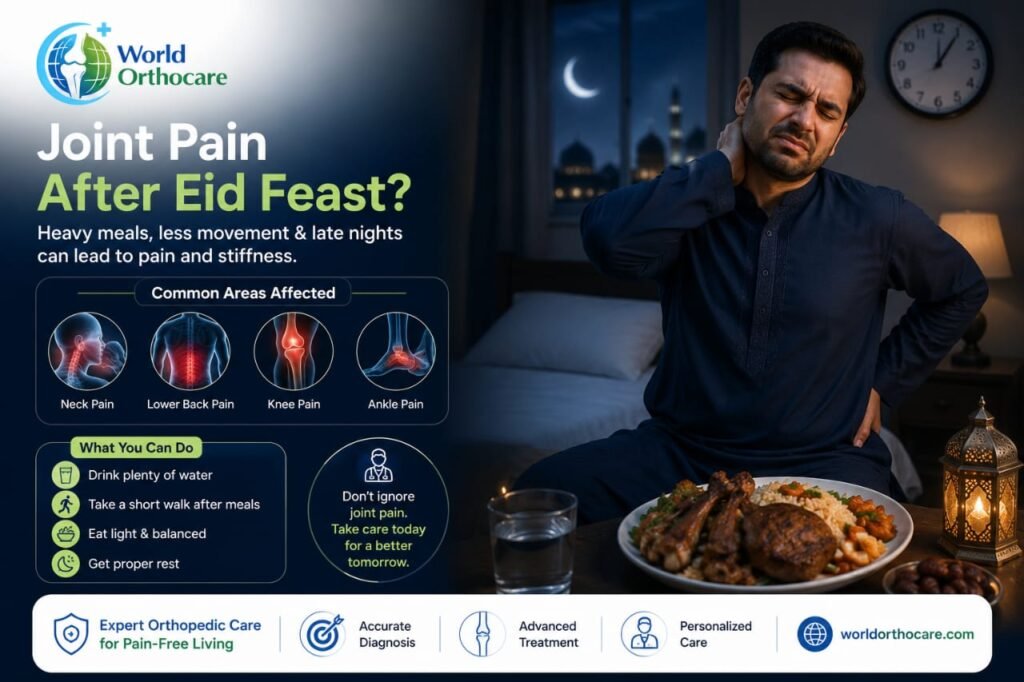
Late-night barbecue parties and disturbed sleep patterns can increase fatigue and muscle tension. Poor sleep is strongly linked with:
- Increased pain sensitivity
- Muscle spasms
- Neck and back stiffness
- Reduced recovery from inflammation
Who Is More Likely to Experience Joint Pain After Eid?
People at higher risk include:
- Elderly individuals
- Patients with osteoarthritis
- Patients with gout
- Obese individuals
- Diabetic patients
- People with previous orthopedic injuries
- Patients with chronic back pain or cervical pain
Tips to Prevent Joint Pain During Eid ul Adha
Maintain Moderation in Meat Consumption
Avoid eating excessive quantities of red meat in a single meal.
Drink Plenty of Water
Aim for adequate hydration throughout the day.
Add Vegetables and Fruits
Balanced meals help reduce inflammation and improve digestion.
Stay Physically Active
Light walking after meals can improve metabolism and reduce stiffness.
Avoid Continuous Sitting
Long sitting during gatherings can worsen back and knee pain.
Get Adequate Sleep
Proper rest helps muscles and joints recover.
When Should You Consult an Orthopedic Specialist?
Seek medical attention if you experience:
- Severe swelling
- Sudden inability to walk
- Persistent joint pain
- Fever with joint swelling
- Recurrent attacks of gout
- Numbness or weakness
Early diagnosis can prevent long-term joint damage.
Expert Orthopedic Care at World OrthoCare
If you are experiencing worsening knee pain, back pain, gout, arthritis symptoms, or joint swelling after Eid ul Adha, expert consultation can help identify the underlying cause and provide proper treatment.
Appointments and online consultations are available through World OrthoCare Official Website.
You can also contact:
Dr. Rasheed Ahmed Bhatti
World OrthoCare Clinic, Hyderabad, Sindh, Pakistan
Phone / WhatsApp: +92 302 3090042

Popular Comments
Dr.Afroz Shirin
Learned a lots of things after reading this article
Warda
Thanks alot very useful information especially before eating meat in these eid day…. Grateful you sent it timely😊✅
Peter Collins
Bài viết rất hữu ích, cảm ơn đã chia sẻ! Letco là công ty tư vấn du học Hàn Quốc uy tín, hỗ trợ trọn gói từ hồ sơ, visa đến học bổng. Tham khảo thêm tại letco.vn nhé.